Anti-Müllerian hormone (AMH)
AMH is a blood test that gives a rough estimate of how many eggs you have left, known as your ovarian reserve. It does not measure egg quality or whether you can conceive naturally.
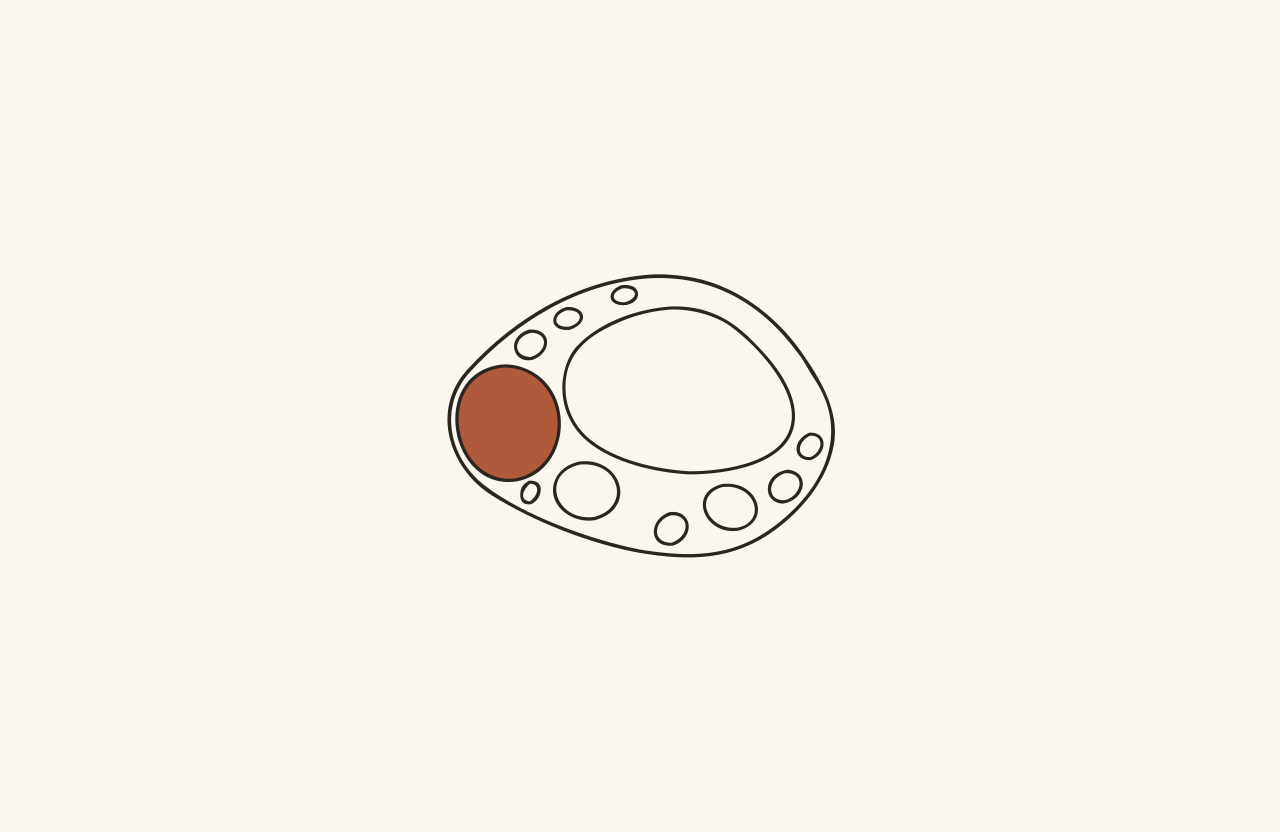
AMH (anti-Müllerian hormone) is a hormone made by small follicles in the ovaries. A blood test for it gives doctors a rough sense of your ovarian reserve, the pool of eggs you have remaining.
What AMH does and does not tell you
A low result suggests fewer eggs, which can affect how you respond to IVF stimulation. It does not measure egg quality, and it is not a reliable predictor of whether you can conceive on your own.
For the full guide, including what the test involves and how to read your result, see the AMH test explained.
Sources and further reading
- ASRM: Ovarian reserve testing (2020). AMH as a reserve marker.
Source links checked on 7 September 2026. This source check is separate from medical review.
Related
Last updated .