Low AMH and diminished ovarian reserve
Low AMH, or diminished ovarian reserve, means you have fewer eggs remaining than expected for your age. It is a measure of egg quantity, not quality, so it does not mean you cannot conceive. Many people with a low result go on to have a baby. It can affect how the ovaries respond to IVF, and it is sometimes a reason not to delay.
Written by Fertility Decoded. Reviewed by D R, MS (OBG), FRM. Review date: 31 August 2026.
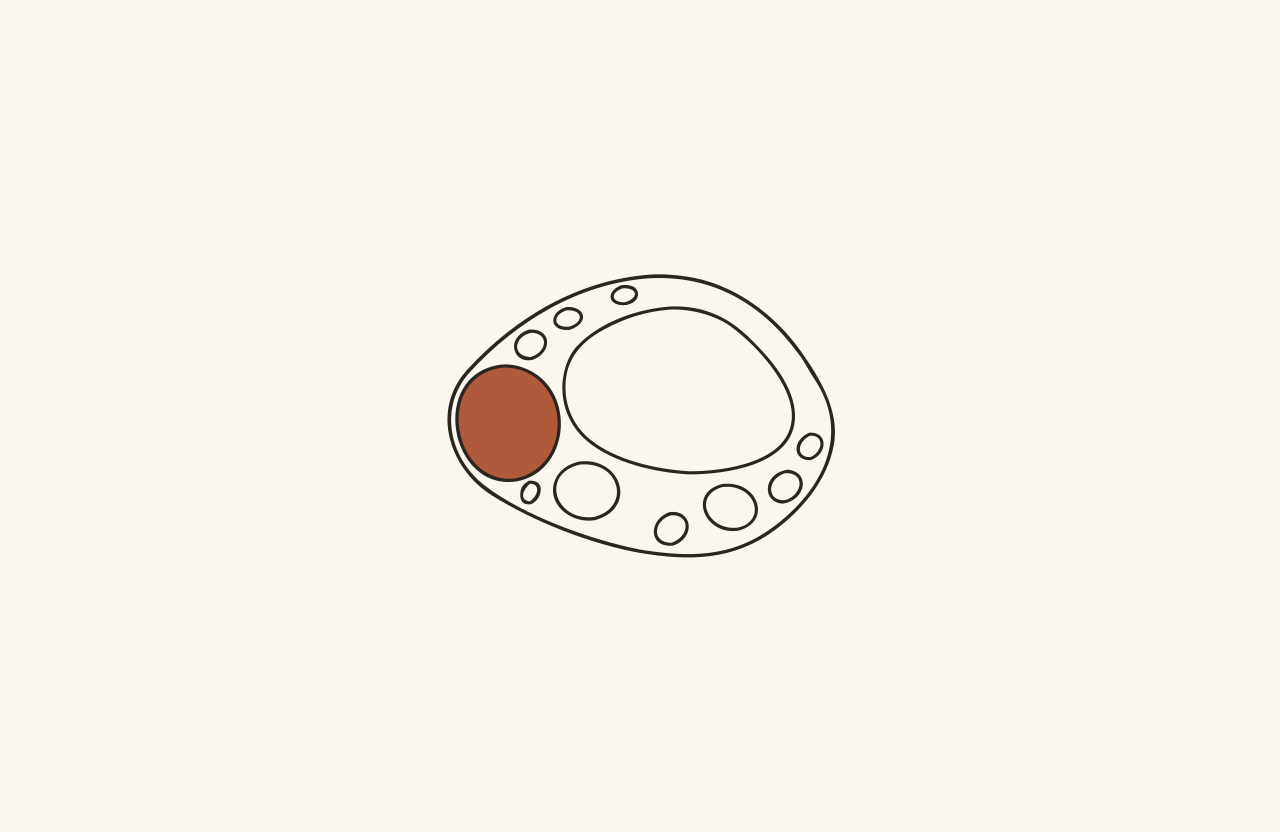
Low AMH, often called diminished ovarian reserve, means your ovarian reserve is lower than expected for your age, in other words you have fewer eggs remaining. It is usually picked up by an AMH blood test, sometimes alongside an ultrasound count of small follicles.
What it does and does not mean
This is the part worth getting right, because it is easy to read a low number as worse than it is.
What it can affect
Where low reserve does matter is in fertility treatment. In IVF, fewer eggs may be collected in a cycle, and the ovaries may respond less strongly to stimulation, so a clinic may adjust the medication or expect to do more than one cycle. Because reserve declines over time, a low result can also be a reason not to delay if you are thinking about treatment or egg freezing.
Options
The right approach is individual, but options often include not delaying where that is possible, IVF with a protocol suited to a lower response, planning around more than one cycle, and, where reserve is very low and it fits your situation, considering donor eggs. A fertility doctor can talk through what makes sense for you.
Sources and further reading
- ASRM: Ovarian reserve testing (2020). Limits of ovarian reserve testing.
Source links checked on 7 September 2026. This source check is separate from medical review.
Related
Last updated .