Hysteroscopy
A hysteroscopy is a procedure where a thin, lit camera is passed through the cervix to look directly inside the uterus. It is used to check for or treat things like polyps, fibroids, scar tissue, or a septum that could affect implantation. Good evidence shows it does not need to be done routinely before a first IVF cycle if a prior scan of the uterus looked normal; it is most useful when something on an earlier test needs a closer look.
Written by Fertility Decoded. Reviewed by D R, MS (OBG), FRM. Review date: 31 August 2026.
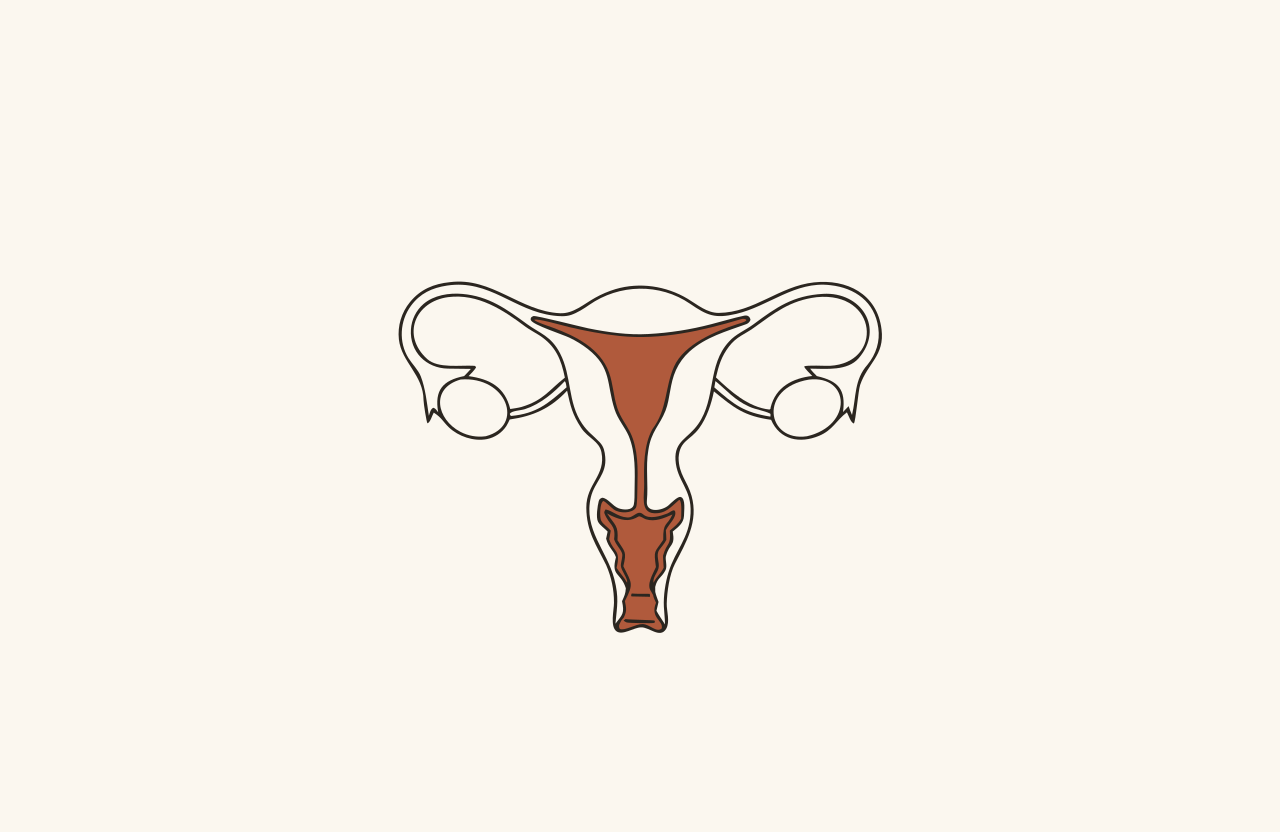
A hysteroscopy uses a thin, lit telescope (a hysteroscope) passed through the cervix to look directly at the inside of the uterine cavity. Unlike an ultrasound or an HSG, which create an indirect picture, this lets a doctor see the lining directly and, in the same procedure, remove some findings without a separate surgery.
Diagnostic vs operative
A diagnostic hysteroscopy is a quick look, often done in a clinic without general anaesthesia, taking about 10 to 15 minutes. If it finds something that needs treating, such as a polyp, a small fibroid bulging into the cavity, scar tissue, or a septum, that can sometimes be removed in the same sitting or in a short follow-up procedure under sedation. This is called an operative hysteroscopy.
When it is actually needed
Where it clearly helps is when something else has already flagged a possible problem, such as a suspected polyp or fibroid on ultrasound, an irregular-looking cavity on an HSG, unexplained recurrent implantation failure, or unusual bleeding. In those situations, a closer look, and often same-visit treatment, is worthwhile.
What to expect
Mild cramping during and shortly after the procedure is common, similar to period pain, and some light spotting can follow for a day or two. A diagnostic hysteroscopy usually needs no downtime; an operative one under sedation may need a day of rest.
Next steps
If a hysteroscopy finds and treats something like a polyp or scar tissue, that is generally considered helpful before moving on to IVF or a frozen embryo transfer. Our questions to ask your clinic guide has prompts for understanding why any test or procedure is being recommended for you specifically.
Sources and further reading
- inSIGHT randomised trial (2016), PubMed abstract. Routine hysteroscopy before first IVF when ultrasound is normal.
- ASRM: Fertility evaluation (2021). Assessment of the uterine cavity.
Source links checked on 7 September 2026. This source check is separate from medical review.
Related
Last updated .