Tubal factor infertility
Tubal factor infertility means one or both fallopian tubes are blocked or damaged, most often from a past infection, surgery, or endometriosis, stopping an egg and sperm from meeting. It is usually found with an HSG or during other imaging. Treatment depends on where and how severe the damage is: some blockages can be surgically opened, while IVF bypasses the tubes entirely and is often the more reliable route.
Written by Fertility Decoded. Reviewed by D R, MS (OBG), FRM. Review date: 31 August 2026.
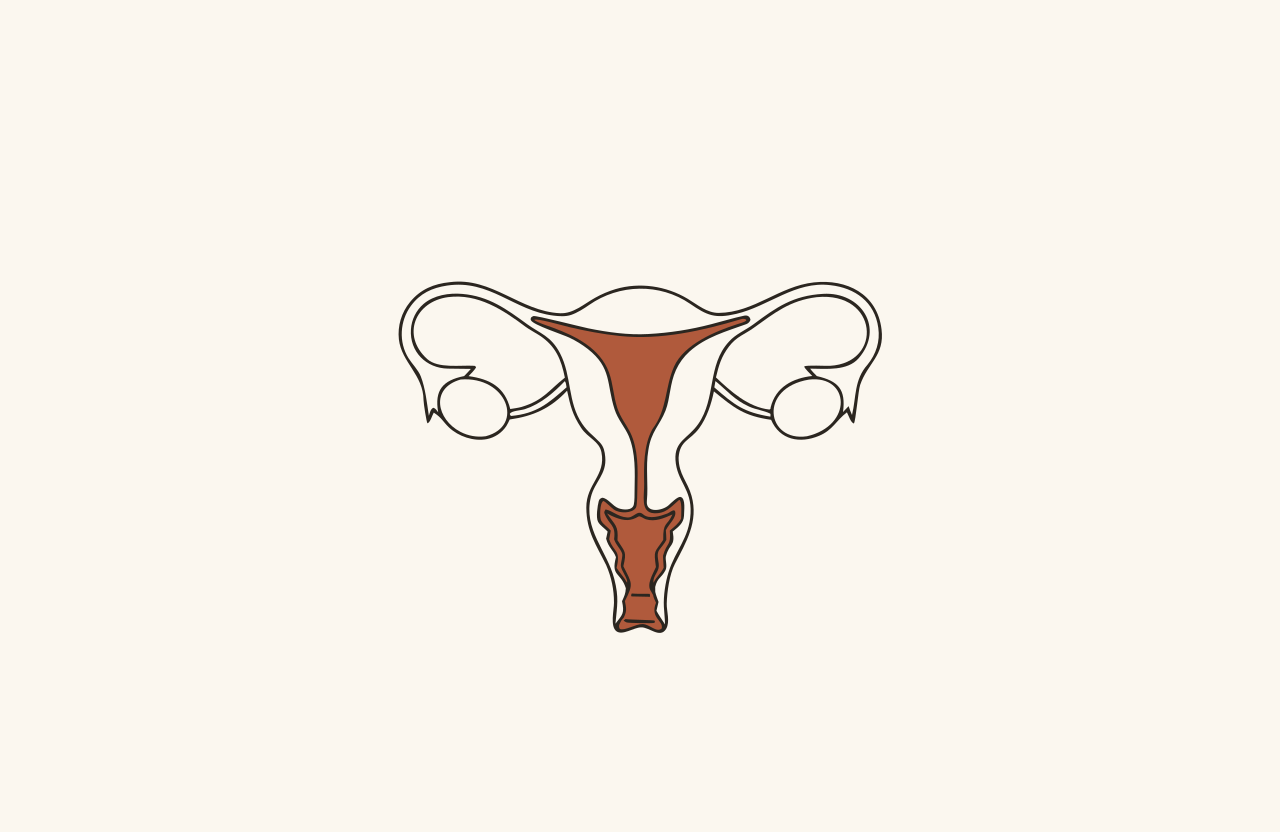
Tubal factor infertility means one or both fallopian tubes are blocked or damaged in a way that stops an egg and sperm from meeting, or stops a fertilised egg from travelling to the uterus. It is one of the more common identifiable causes of infertility.
Common causes
The usual causes are a past pelvic infection or sexually transmitted infection that went untreated, previous pelvic or abdominal surgery (including a ruptured appendix), and endometriosis, all of which can scar or block a tube. One specific pattern, a hydrosalpinx, is a tube blocked near the ovary that fills with fluid, which matters because that fluid can later interfere with an embryo even during IVF.
How it is diagnosed
The main test is an HSG, an X-ray that shows whether dye flows freely through the tubes. If the picture is unclear or surgery is already being considered for another reason, a laparoscopy can give a direct look and treat some findings in the same procedure.
Treatment options
What helps depends on where the blockage is and how much damage there is.
- Surgery to open or repair a tube can work for some blockages, particularly near the end closest to the ovary, though success varies with how much scarring there is.
- Removing or clipping a hydrosalpinx before IVF is commonly recommended, since leaving the fluid in place lowers IVF success.
- IVF bypasses the tubes altogether: eggs are collected directly from the ovaries and the embryo is placed straight into the uterus, so a blocked tube does not stop the process. For many people with significant tubal damage, this is the more reliable route rather than trying to repair the tube first.
Sources and further reading
- ASRM: Tubal surgery and assisted reproduction (2021). Surgery versus IVF; hydrosalpinx management.
Source links checked on 7 September 2026. This source check is separate from medical review.
Related
Last updated .