Recurrent pregnancy loss
Recurrent pregnancy loss means two or more pregnancy losses, and the losses do not need to be one after another to count. It affects a meaningful share of people trying to conceive and, importantly, is not simply bad luck repeating itself: it is worth a proper evaluation. Genetics, uterine shape, hormonal, and clotting factors are all checked, though in about half of cases no single cause is found, which does not mean treatment cannot help.
Written by Fertility Decoded. Reviewed by D R, MS (OBG), FRM. Review date: 31 August 2026.
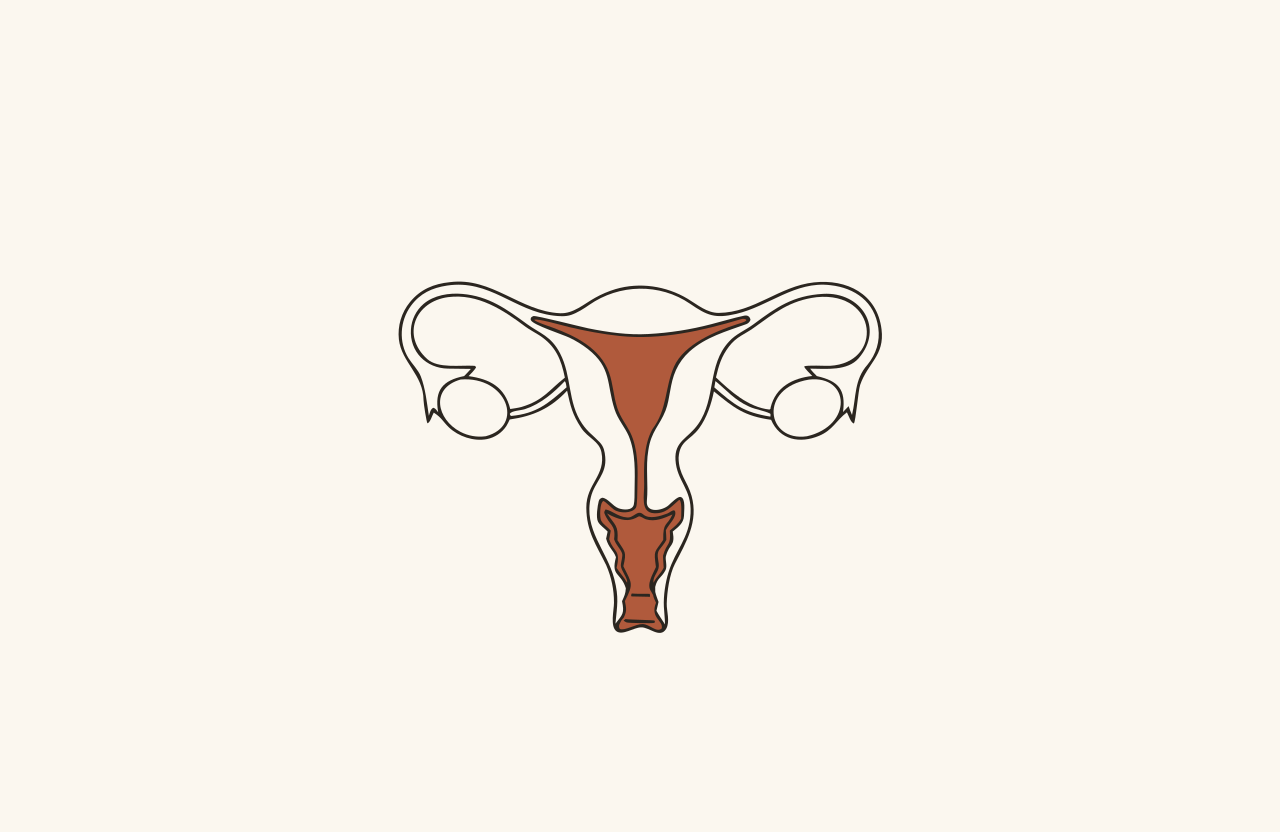
Recurrent pregnancy loss is generally defined as two or more pregnancy losses confirmed by a positive pregnancy test, not counting an ectopic or molar pregnancy. Unlike some definitions of the past, the losses do not need to happen one right after another to count, and a very early loss still counts. If this has happened to you more than once, it is reasonable to ask for an evaluation rather than being told to simply try again.
Why it is not just bad luck
A single miscarriage is common and usually is not investigated on its own, since it is often a one-off chromosomal issue in that particular pregnancy. Two or more losses are different: they are common enough to affect a meaningful share of people trying to conceive, and they raise the odds that something identifiable, and sometimes treatable, is contributing.
What gets checked
A typical evaluation looks at several areas at once, since a cause can sit in more than one place:
- Genetics, testing tissue from a loss where possible, and sometimes both partners' chromosomes.
- Uterine shape, checked with an HSG, an ultrasound, or occasionally a hysteroscopy, looking for things like a uterine septum or fibroids distorting the cavity.
- Hormonal factors, including thyroid function (TSH) and, in some cases, blood sugar regulation.
- Blood-clotting and immune factors, a group of conditions that can affect the placenta's blood supply.
When no cause is found
Moving forward
Depending on what the evaluation finds, next steps range from correcting a uterine or hormonal issue, to blood-thinning medication where a clotting factor is found, to closer monitoring in a future pregnancy, to IVF with genetic testing of embryos in specific situations. Emotional support matters here too; our mental health and support page has resources for coping with loss while continuing treatment.
Sources and further reading
- ESHRE: Recurrent pregnancy loss, 2022 update. Definition, investigation and treatment evidence.
Source links checked on 7 September 2026. This source check is separate from medical review.
Related
Last updated .